Decision Fatigue: Why Steve Jobs Wore the Same Outfit Every Day
Timeoora Psychology
Editorial Team
Have you ever noticed that it is much easier to resist a piece of chocolate cake at 9:00 AM than at 8:00 PM?
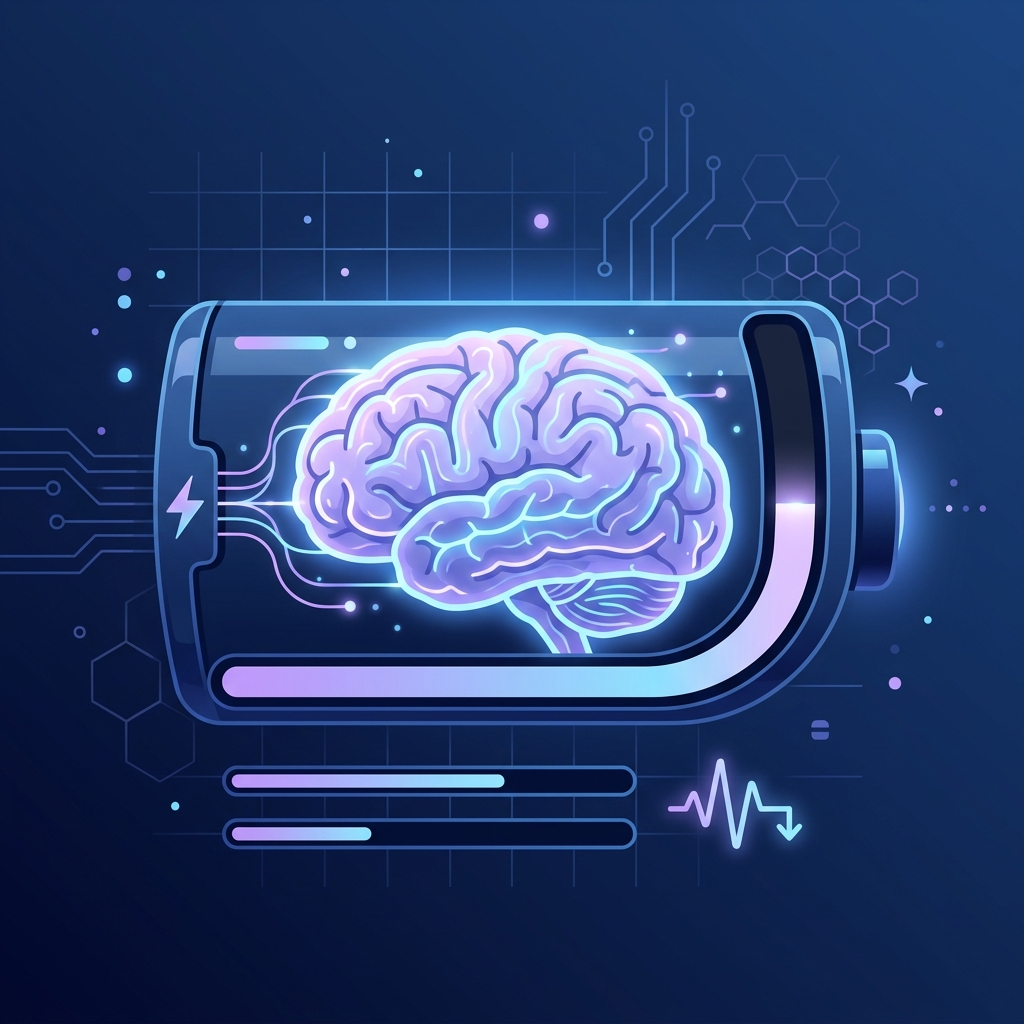
Most people believe that willpower is a personality trait. Either you are born disciplined, or you are weak. Neuroscience radically disagrees. Willpower is not a trait; it is a depletable resource. It's like your smartphone's battery. You wake up with it at 100%, and with every decision you make, the battery drops a little.
This phenomenon is called Decision Fatigue.
Decision Fatigue is the deterioration of our quality of decision-making after a long session of choices. No matter how rational and focused you are, you cannot make decision after decision without paying a biological price.
The price is your mental glucose, and when it runs out, your brain goes into "energy-saving mode." That is why, at 7:00 PM, you decide to order a pizza on UberEats instead of cooking the healthy meal you had planned. Your brain simply has no energy left to make the "hard" decision.
The Secret of Steve Jobs' Wardrobe
Steve Jobs, the founder of Apple, was famous for wearing exactly the same outfit every day: a black turtleneck, Levi's jeans, and New Balance sneakers. Mark Zuckerberg and Barack Obama adopted very similar wardrobe philosophies.
They didn't do this out of a lack of fashion sense. They did it because they deeply understood the concept of Decision Fatigue.
Obama once told Vanity Fair:
"You'll see I wear only gray or blue suits. I'm trying to pare down decisions. I don't want to make decisions about what I’m eating or wearing. Because I have too many other decisions to make."
Every time you stand in front of your closet in the morning and think, "Does this shirt match these pants?", you are spending your high-level mental battery. You are burning the fuel that should be used to close a major contract, write complex code, or create a marketing strategy.
We make about 35,000 conscious and subconscious decisions every day. The key to high performance is not increasing your willpower. The key is decreasing the amount of useless decisions you make.
3 Ways to Hack Decision Fatigue
How can you protect your mental battery for what really matters? You need to "automate" your life. Here are 3 practical strategies:
1. The Night Before Rule
The worst thing you can do is wake up and ask yourself, "What am I going to do today?". That is a recipe for disaster. If you leave planning your day for the morning itself, your morning willpower (the most precious kind) will be spent on planning instead of execution.
The Solution: Make the trivial decisions the night before.
- Choose and lay out the clothes you are going to wear.
- Decide what you are going to have for breakfast.
- Write down the 3 most important work tasks for the next day and leave a sticky note on your monitor.
When you wake up, you don't decide. You just execute.
2. Strict Routines, Creative Results
Many creative professionals shy away from routines because they believe they kill creativity. Science shows the opposite. Routines free the mind.
If you decide that every Tuesday and Thursday you go to the gym at 7:00 AM, you don't have to wake up and have an internal debate: "Should I go today? It's a bit cold...". The debate is over. The decision was made weeks ago. The routine removes the burden of choice.
Build systems. Have a fixed lunch menu during the workweek. Standardize your email responses using templates. The more routine your life logistics are, the more mental battery you will have left for true creativity.
3. Big Decisions First
The golden rule of Decision Fatigue is simple: Do the hardest thing first.
If you have a critical decision to make (firing someone, signing a high-stakes contract, starting the complex phase of a project), never leave it for the end of the day. Your exhausted brain will look for the path of least resistance, which usually results in passive or impulsive choices.
Schedule your critical tasks for the first hour of the morning. If possible, apply the Eat the Frog technique. The first thing you do in the day should be the task you most want to avoid.
Use the Timeoora Timer to guarantee this morning focus. Block the first 50 minutes of your workday, put on your headphones, start the clock, and attack the heaviest decision while your mental battery is at 100%.
The Art of Saying "I Don't Care"
We live in a culture that glorifies having an opinion on everything. What's the best Netflix series? Where should we have dinner today? What color should the report cover be?
To protect your brain, you need to learn the art of delegating trivial decisions. Start saying: "I trust your judgment, you choose". Or "I don't have a strong preference, let's go wherever you want".
You don't need to optimize every detail of your life. Choose where you want to be extraordinary, and allow yourself to be completely automated in the rest. Protect your energy. Your focus is the most expensive asset you own.
Ready to master your time?
Start using Timeoora now and see how the science of focus can transform your routine.
Open Free Timer